Welcome! This blog”Mesothelioma Future” has been created as a forum where Mesothelioma patients and their family members can share their experiences and discuss how they have coped or are coping with this disease. The blog also provides practical advice on how to deal with the emotional and physical pain of Mesothelioma as well as the various types of support you may need and how to get them.

Wednesday, December 18, 2019

Mesothelioma Life Expectancy

Znalezione obrazy dla zapytania Mesothelioma Life Expectancy by Stage
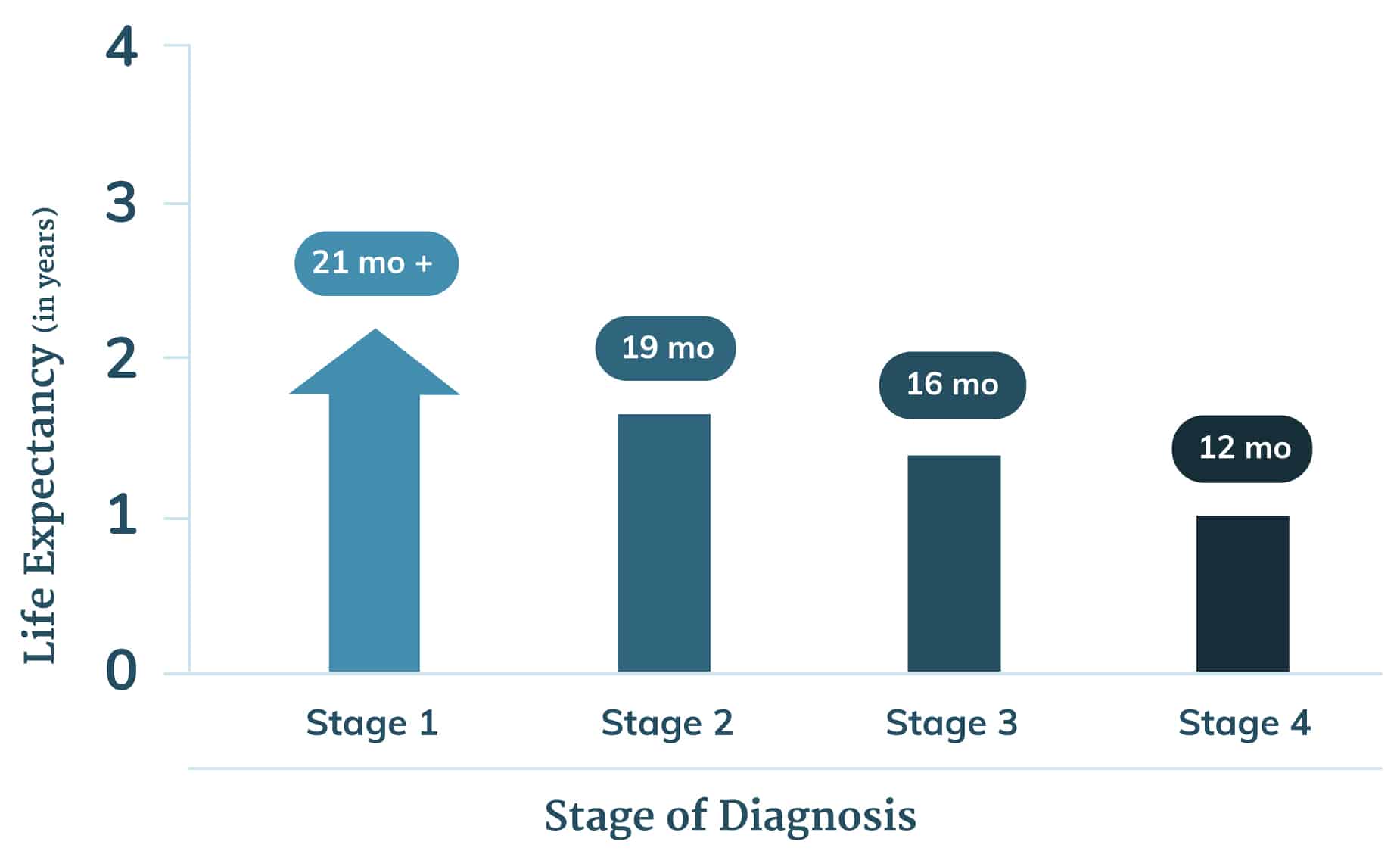
Mesothelioma Life Expectancy By Stage
The average life expectancy of mesothelioma patients is 12 to 21 months. A patient's lifespan depends on several factors, including age, stage of disease and overall health. About 40% of patients live beyond one year, and 9% live more than five years.

Malignant mesothelioma is an aggressive form of cancer with symptoms that usually do not appear until the advanced stages. The life expectancy of mesothelioma patients is generally short, especially without treatment, and varies considerably from patient to patient depending on a number of individual factors and circumstances. Long-term survival is extremely rare, with less than 10% of patients living beyond five years. Early detection and quality of health care are the most important factors in improving one's prognosis.

    Factors affecting life expectancy

    The life expectancy of a mesothelioma patient is difficult to determine because it depends on a variety of factors.

    Stage

    Early diagnosis of mesothelioma can significantly improve life expectancy. When diagnosed at an early stage (stage 1 or stage 2), there is little or no spread, and treatments are likely to be more effective. However, in stages 3 and 4, mesothelioma has spread to the lymph nodes and distant organs, making treatment more difficult.

    Location


    Location is another issue that powerfully influences expectation of life. Testicular mesothelioma is very rare but has the greatest potential for healing, with a 5-year survival rate of almost 50% of the other types of mesothelioma, peritoneal mesothelioma generally has the best prognosis with an average survival of one year, while malignant pleural mesothelioma patients typically survive 6 - 12 months.

    Pericardial mesothelioma has the smallest amount favourable life expectancy and is commonly diagnosed posthumously, although detection and life expectancy improve due to the development of more effective diagnostic tools and treatments.

    Cell type


    Mesothelioma can be categorized into three different cell types: epithelioid, sarcomatoid and biphasic (a mixture of epithelioid and sarcomatoid cells).

    Typically, those with epithelioid mesothelioma have a considerably longer lifetime than those with sarcomatoid mesothelioma, due to slower metastasis of cancer cells and better receptiveness to treatment. Those with biphasic mesothelioma have a varied lifetime depending on which cell type is powerful.
    Life Expectancy by Mesothelioma Cell Type


    In general, older patients with mesothelioma have a shorter life expectancy, in part because they are in poorer health and the disease is likely to be at a later stage, but this may also be due to the fact that fewer patients are more older people are offered treatment for their Mesothelioma. One study showed that people diagnosed with pleural mesothelioma before the age of 65 lived almost four months longer than those diagnosed at age 65, and more than eight months older than those diagnosed at age 75 or older.

    Patient age, sex and overall health

    In general, women diagnosed with mesothelioma live about 5.5 months longer than men with mesothelioma, and there are more cases diagnosed in men than women. The gender difference is likely due to the fact that men work in higher-risk occupations for asbestos at the peak of its use. Overall health can also greatly affect life expectancy for men, women and cancer patients of all ages.

    Those who are healthy are more likely to resist aggressive treatments and live longer, while those with poor health or existing conditions have fewer treatment options available and face an expectation of shorter life.


    Pleural Mesothelioma Life Expectancy By Age At Diagnosis
    Up to 65 Years12 months
    65 + Years8 months
    75 + Years< 4 months

    Those who are healthy are more likely to abide combative treatments and live longer, while those with poor health conditions have fewer treatment options available and face an expectation of shorter life.

    Other factors affecting the life expectancy of mesothelioma


    Many other factors can be included in determining a patient's life expectancy. However, the extent to which these factors affect life expectancy can vary considerably from person to person. Factors that could have a negative impact include:
    • A history of Smoking
    • Elevated white blood cell count.
    • Low hemoglobin level
    • High Platelet count

    Life expectancy and treatment of mesothelioma


    Patients diagnosed with early-stage mesothelioma may be able to undergo aggressive treatments, such as surgical removal of the tumor combined with chemotherapy and radiotherapy. Mesothelioma surgery is an extensive procedure, so the patient must be healthy. For elderly patients or those in the final stages of diagnosis, surgery may not be a viable option. In the development of a treatment program, the mesothelioma specialist will assess the patient's health and ability to undergo such treatments. If possible, aggressive treatments can extend life expectancy and improve long-term survival.

    The life expectancy of mesothelioma without treatment

    Patients may decide not to undergo treatment for their mesothelioma if the cancer is very advanced and causes severe symptoms, if the treatment is too difficult financially or for other personal reasons. Refusing treatment complicates the question of how long do you live after being diagnosed with mesothelioma. Studies suggest that on average, malignant mesothelioma patients who do not undergo treatment typically live just over six months. For those who have been diagnosed at an early stage, survival can last more than a year. However, as with treated cases, survival can vary considerably depending on staging and cell type, location, patient characteristics and other factors.

    Improving life expectancy

    A diagnosis of mesothelioma is difficult, but many people have lived longer taking active steps to improve their health.

    Increase activity level and fitness

    "Performance status" is a technical term that refers to a patient's level of activity and overall fitness. Almost all studies on performance status in mesothelioma patients show a significant effect on survival.

    The more active and fit you are, the more likely your body will be to resist and recover from aggressive cancer treatments.

    Improve your nutrition

    Cancer patients who are better fed have longer survival. Eating well helps your body recover from aggressive treatments and maintain good immune function.

    You may have heard or read about diets for mesothelioma patients. If you want to know more about these diets, ask your doctor for a referral to see a cancer dietitian.

    In general, an appropriate mesothelioma diet and good nutrition will provide plenty of protein to support recovery and enough calories to prevent weight loss.

    Consider complementary medicine

    Complementary medicine refers to other approaches used in combination with conventional cancer treatment. This strategy is also called integrative medicine or integrative oncology. For example, acupuncture, meditation, herbal medicine and yoga. These therapies can reduce stress and pain and improve quality of life.

    You should always consult your doctor before starting any integrative therapy to avoid drug interactions and the negative consequences of treatment.

    Tuesday, December 10, 2019

    Mesothelioma Prognosis


    What is the prognosis for mesothelioma?

      The prognosis for most mesothelioma patients is generally poor because there is no treatment for this disease.

      Prognosis is often measured in terms such as "good," "favorable," "bad" or "poor" depending on how the cancer should progress. It includes the prospect of recovery and helps determine what treatment options may be available.

      When patients question their prognosis, what they usually want to know is how long they will live.

      How long do you live after being diagnosed with mesothelioma?

      Most patients live about a year after being diagnosed with mesothelioma.

      How long you live with mesothelioma depends on where you are diagnosed and how you respond to mesothelioma treatments.

      Early prognosis

      People diagnosed early, stage 1 or stage 2 are often eligible for surgery, which offers the best chance of long-term survival. About 20 percent of patients with pleural mesothelioma are diagnosed early enough to be eligible for surgery. Stage 1 patients undergoing surgery have a median life expectancy of 22.2 months.

      Prediction at the end of the phase

      Most patients are diagnosed late, stage 3 or 4, and are not eligible for surgery. Stage 4 patients undergoing treatment have a median life expectancy of 14.9 months.

      Although statistics play a role in determining your prognosis, each case of mesothelioma is unique.

      Some patients with mesothelioma are beating the typical outlook thanks to advances in treatment and care. Survivors credit increased life expectancy for multimodal treatment, improved diet and complementary therapies.

      Improving a prognosis of mesothelioma

      Znalezione obrazy dla zapytania Mesothelioma PrognosisYou can choose to be proactive and take steps to improve your prognosis. You cannot change important prognostic factors such as your age, the type of mesothelioma or the stage of cancer. But, you can improve your overall health and choose a cancer treatment like chemotherapy.

      In addition to undergoing treatments that control cancer, you should follow a healthy nutrition plan with a balanced diet. Good nutrition can also relieve treatment side effects and cancer symptoms.
      Eating well and balancing your diet while undergoing mesothelioma treatment can help relieve your symptoms.

      Treatment options for mesothelioma

      Surgery and chemotherapy the most effective treatments for mesothelioma . Radiation therapy and immunotherapy play a role in multimodal therapy and clinical trials.

      Most patients are diagnosed too late to qualify for surgery and undergo only chemotherapy. Chemotherapy, radiotherapy and immunotherapy are available for patients at all stages.

      Although, Cancer therapies are costly, but many patients are eligible for financial compensation to cover the costs of mesothelioma treatment.

      Veterans may be eligible for free or low-cost treatment at a VA hospital. A mesothelioma lawyer can advise patients on other possible sources of compensation. 

      Prognosis of mesothelioma after chemotherapy

       The response rate to chemotherapy is nearly 50 per cent. This means that about half of mesothelioma patients experience tumor shrinkage or no new tumor growth for a period of time. A 2016 study published in the journal Clinical Epidemiology found that patients receiving chemotherapy lived an average of 12 months, while those who did not choose treatment lived an average of four months.

      Prognosis of mesothelioma after surgery

      People diagnosed with Stage 1, 2 or 3 may be eligible for aggressive surgery. Tumor removal surgery offers the greatest chance of long-term survival. Surgery may involve the removal of an entire lung, part of the lung or only the removal of the lining of the lung, known as pleura. Many people wonder if a person can live with a lung, and the answer is yes. Surgery is regularly combined with chemotherapy and sometimes radiotherapy or immunotherapy. It can prolong survival by years in some patients.

      Prognosis of mesothelioma after radiation therapy

      Radiation therapy alone is used to reduce painful tumors increasingly in the chest wall. This application has no direct impact on prognosis.

      Experimental therapies

      Experimental therapies, such as immunotherapy and photodynamic therapy, are offered through clinical trials and humanitarian use programs. 

      Peritoneol treatment of mesothelioma

      With a combination of hyperthermic intraperitoneal surgery and chemotherapy (HIPEC)Patients with peritoneal mesothelioma can improve their prognosis. 

      This includes adding chemotherapy drugs to a heated saline solution and pumping it directly into the patient's abdomen. Research shows that about half of the patients who underwent this procedure survived more than five years.

      Prognosis by Mesothelioma Type

      Prognosis of pleural mesothelioma

      Research shows that about 40 percent of patients survive at least one year after diagnosis. Some patients who undergo multimodal treatment and complementary therapies survive several years . About 9 percent of pleural mesothelioma patients survive more than five years.

      Prognosis of peritoneal mesothelioma

      Patients with peritoneal mesothelioma have a much better prognosis. New treatments for abdominal cancer, such as heated chemotherapy, have improved the chances of long-term survival.

      About 50 per cent of patients who undergo surgery with heated chemotherapy live more than five years.

      Pericardial prognosis of mesothelioma

      The prognosis for pericardial mesothelioma is generally poor. About half of the patients survive six months. Rare cases of five-year survival have been reported and usually involve treatment including surgery and chemotherapy.

      Prognosis of testicular mesothelioma

      Prognosis of testicular mesothelioma is  typically the best as it is rarest type of mesothelioma.The average survival is about two years and some patients live more than a decade.

      Prognosis by Mesothelioma Stage

      Prognosis of mesothelioma in stage 1

      Patients diagnosed with stage 1 have the best prognosis. Aggressive treatments are recommended for healthy people.

      Survival rates for stages 1A and 1B


      • Stage 1A: The two-year survival rate is 46 per cent and the five-year survival rate is 16 per cent.
      • Stage 1B: The two-year survival rate is 41 per cent and the five-year survival rate is 13 per cent.
      • With surgery, median overall survival at stage 1 is 22.2 months.

      Prognosis of mesothelioma in stage 2

      Patients diagnosed with stage 2 have a better prognosis than patients at an advanced stage. At this stage, Aggressive treatment plans are recommended.


      • The two-year survival rate for pleural mesothelioma is 38 per cent and the five-year survival rate is 10 per cent.
      • Median overall survival in stage 2 is 20 months with surgery.

      Prognosis of mesothelioma in stage 3

      The prognosis becomes worse for patients diagnosed with stage 3. Some Stage 3 patients are eligible for aggressive treatment plans.

      Survival rates for stages 3A and 3B

      • Stage 3A: The two-year survival rate is 30 per cent and the five-year survival rate is 8 per cent.
      • Stage 3B: The two-year survival rate is 26 per cent and the five-year survival rate is 5 per cent.
      • With surgery median overall survival at stage 3 is 17.9 months .

      Prognosis of mesothelioma in stage 4

      The prognosis at stage 4 is generally poor. Palliative treatments are recommended at this stage to control symptoms and prolong survival for as long as possible.

      For pleural mesothelioma,

      • the two-year survival rate is 17 percent while, the five-year survival rate is less than 1 percent.
      • With treatment, median overall survival at stage 4 is 14.9 months.

      Other factors affecting the prognosis of mesothelioma

      Cell type

      The types of cells that make up the tumor can have an impact on your prognosis.

      Epithelioid cells: Patients with this type of cell tend to live longer than those with other cell types. People with epithelioid tumours live an average of 200 more days.

      Sarcomatoid cells: These cells are associated with the poorest prognosis because they are considered more aggressive and difficult to treat.

      Biphasic cells: The prognosis for this type depends on the ratio of sarcomatoid cells to epithelial cells. The more epithelial cells there are, the better the prognosis.

      Age

      Young people have a better prognosis with mesothelioma than the elderly. More than half of patients diagnosed under the age of 50 live at least one year with mesothelioma. Less than a third of patients diagnosed over 75 years of age live as long.

      Sex

      The genus has a significant impact on the prognosis of mesothelioma. Women with mesothelioma live longer than men.

      Researchers do not fully understand why women live longer. They suspect that hormones may play a role. They know that women are more often diagnosed with peritoneal mesothelioma. Peritoneal has a better prognosis than pleural mesothelioma.

      Race

      Race plays a role in the prognosis of mesothelioma. In 2013, the five-year survival rate was 8.7 percent for whites and 10 percent for blacks.

      Black women tend to live the longest with mesothelioma. In 2013, the five-year survival rate was 13.6 per cent for white women and 30.1 per cent for black women.

      Remission and recurrence of mesothelioma

      The prognosis of cancer includes the chances of recovery, so-called remission. It involves a measurable decrease in tumor size, which can be described as partial or complete.


      • When the cancer shrinks in size then, remission is partial . Partial remission usually involves at least a 50 percent reduction in tumor size.
      • Remission is over when the cancer disappears completely.

      Complete remission is rare with mesothelioma. Partial remission is more common. Patients can live for years in partial remission.

      Unfortunately, mesothelioma tends to recur if partial or complete remission is achieved. When mesothelioma reproduces, it usually reproduces locally or regionally rather than remotely.

      Clinical trials

      Many clinical trials are looking for patients with mesothelioma recurrence to test new and innovative therapies. They test second-line therapies to control cancer when it recurs.

      The goal of these trials is to find more ways to keep mesothelioma in control once it returns. Researchers need a wide range of participants. Patients who have undergone previous treatment who are now living with advanced disease are ideal candidates for clinical trials.

      Understand the prognostic terms

      Life expectancy

      The term "life expectancy" refers to the average age of a person or population that should live according to their location and other demographics. Mesothelioma can reduce a person's life expectancy by years or decades. It all depends on their age at the time of diagnosis and the length of their life with mesothelioma.

      For example, a 70-year-old healthy man has a life expectancy of 14 years but when, he is diagnosed with stage 4 mesothelioma,the life expectancy of the same old man will reduce to two years.

      Survival rate

      Survival rates are the predictions that how long most people live with mesothelioma. Your prognosis is mainly based on average cancer survival rates.

      The National Cancer Institute reports that the five-year survival rate for mesothelioma was 9 percent between 2007 and 2013.

      Mortality rate

      The cancer mortality rate, also known as the mortality rate, describes the number of people dying from cancer. It plays a role when doctors estimate a patient's prognosis.

      Mesothelioma mortality rates are often defined by age, gender, race and state of residence.

      Survivors who have exceeded their prognosis

      Although recurrence is common, people diagnosed with mesothelioma overcome their initial prognosis.

      Whether it's because of their particular type of mesothelioma, specialized treatments, genetics or simply changing their lives through better nutrition and exercise, it's important to keep hope alive.

      Some survivors live years or even a decade or more after their initial prognosis.

      Saturday, December 7, 2019

      Mesothelioma Biopsy

      Biopsies are the last step in a diagnosis of mesothelioma and the only way to confirm that a patient has cancer. The most common types of biopsies used are needle biopsies, camera-assisted biopsies, and surgical biopsies, each with different degrees of invasiveness.

      Mesothelioma biopsies are used to collect a sample of the affected tissue or fluid for analysis, and then to confirm the malignancy, type of mesothelioma, cell type (epithelioid, sarcomatoid or biphasic) and staging. This stage of the diagnostic process will help determine viable treatments and provide a more accurate prognosis to the patient.

      Biopsies and diagnosis of mesothelioma


        A biopsy is often the last step in a diagnosis, after imaging tests and blood tests. Biopsies are not usually prescribed until there are signs and symptoms that suggest a diagnosis of cancer because it is an invasive procedure.

        If abnormalities are detected during an image analysis, patients undergo a biopsy during which a sample of tissue or fluid is taken for analysis as part of a process called pathology. The analysis will allow specialists to determine whether a tumor is malignant or benign, confirm mesothelioma and determine the type of cell (epithelioid, sarcomatoid or biphasic). Biopsy is the only way to confirm a cancer diagnosis. It is therefore crucial for determining the patient's treatment options and prognosis.

        Types of mesothelioma biopsies

        When diagnosed with mesothelioma, three types of biopsies are common: needle biopsies, camera-assisted biopsies, and open biopsies. The type of biopsy performed will be determined based on the type of mesothelioma.

        Needle biopsies

        Needle biopsies are considered closed (non-surgical) procedures that are usually fast with little or no recovery time. As with any procedure, there are risks, including mild pain and discomfort, bleeding or damage to nearby organs (less likely), depending on the type and location of the needle biopsy.

        Needle biopsy procedure

        Common types of needle biopsy techniques include:

        Fine needle aspiration. This type of needle biopsy uses a thin, hollow needle to collect cells from your body.

        Basic needle biopsy. This type of needle biopsy uses a larger needle than fine needle aspiration. The needle used in a needle biopsy is a hollow tube that allows the doctor to extract a core of tissue for testing.

        You may experience mild discomfort during your needle biopsy, such as a feeling of pressure in the area. Tell your healthcare team if you feel uncomfortable.

        Thoracentesis

        Thoracentesis is most often performed to remove fluid from the space between the lungs and the chest wall. Most often, the doctor numbs the area with a local anesthetic and then inserts the needle into the patient's back along the mid-scapular line (about halfway between the spine and the flank). Once the fluid is drained, the needle will be removed and the area will be covered with a sterile bandage.

        Paracentesis

        Paracentesis is performed to remove excess fluid around the abdomen. As a general rule, the area where the needle should be inserted will be shaved, cleaned and numbed with local anesthetic. The doctor will then insert a thin needle into the abdominal area and drain the fluid into a syringe. If a very large amount of fluid is present, a catheter may be mounted on the syringe so that the fluid can be collected in a vacuum bottle. When enough fluid is collected, the needle will be removed and the area will be covered with a sterile bandage.

        Pericardiocentesis

        Pericardiocentesis is performed to remove excess fluid from the thin space between the heart and the pericardium. With this type of biopsy, the doctor will sterilize and numb an area of ​​the breast immediately below the sternum where the needle will be inserted. An echocardiogram is often used to help guide the placement of the needle during the procedure. After the biopsy, the needle is removed and the area is covered with a sterile bandage. In some cases, a catheter may be inserted to allow the fluid to continue to flow.

        Core Needle Biopsy

        A basic needle biopsy is a minimally invasive procedure that involves the use of a CT scan or ultrasound to guide a needle through the skin in a suspected tumor area, such as a thickened pleura. A piece of tissue is taken with the needle and analyzed by pathologists. After the biopsy, the needle is removed and the area is covered with a sterile bandage. This type of sample (called surgical pathology) allows pathologists to diagnose mesothelioma with greater probability than fluid analysis (called cytology).

        Camera-assisted biopsies

        Camera-assisted biopsies, or endoscopies, are considered "mini-invasive" procedures that allow doctors to visually inspect the tumor and obtain a sample of tissue large enough for proper analysis. Recovery is generally rapid, although there are some risks, including infection, bleeding, damage to nearby organs, or organ failure in severe cases. The risks are also associated with the administration of anesthesia, including allergic reactions, headaches and nausea.

        Procedure for Camera -Assisted Biopsy

        • General anesthesia is usually given to the patient.
        • For insertion of a thin tube a small incision is made .
        • The tube contains a camera that guides the removal request of a tissue sample.
        • Some endoscopies take pictures during the procedure for later examination.
        • Blood Presssure, Heart rate and Temperature are measured throughout the procedure.
        • Patients often go to the recovery room for a short time and must be brought home after receiving anesthesia.
        Like needle biopsies, there are several types of camera-assisted biopsies, depending on the location. For mesothelioma, the most common types include thoracoscopy, laparoscopy and mediastinoscopy.

        Thoracoscopy

        Thoracoscopy

        Once the anesthesia is administered, the surgeon will make several small incisions in the chest and between the ribs to access the pleural cavity or the thoracic cavity. The telescope is inserted and if the tumor is seen, a small sample of tissue is taken for analysis.


        Laparoscopy

        Laparoscopy is the most used when there is suspicion of peritoneal mesothelioma. Small incisions are made in the stomach and the abdomen is inflated with gas (usually carbon dioxide) to access the peritoneal cavity and get a clear view of the abdominal organs. A small telescope (laparoscope) is inserted with a light and a camera to locate the tumors and take a tissue sample for analysis. Once the sample is taken, the oscilloscope will be removed and the gas will be released from the abdomen.


        Mediastinoscopy

        Mediastinoscopy is common in case of suspicion of pericardial mesothelioma or in the presence of thoracic metastases. A mediastinoscope is used to examine the mediastinum, or the space between the sternum and the middle of the chest, between the lungs. First, an endotracheal tube is inserted into the patient's nose or mouth to facilitate breathing. An incision is then made under the neck to insert the telescope allowing the surgeon to locate the tumor or abnormal lymph nodes and to take a tissue sample for analysis.

        Surgical Biopsies

        Surgical biopsies differ from needle and camera-assisted types in that they are much more invasive. Physicians are cautious when ordering surgical biopsies, prescribing them only when the results of less invasive procedures are inconclusive or when the area can not be easily reached with a needle or an endoscope.

        The benefit of collecting a mesothelioma biopsy through surgery is access to getting a large sample of tissue, although there are risks such as infection, bleeding, organ or vessel injury blood, fluid accumulation and pain, as well as allergic reactions, nausea, headache and vomiting in response to anesthesia.

        Surgical Biopsy Procedure

        • General anesthesia is usually administered.
        • A surgical incision is made in the affected area to access the tumor.
        • A sample of the affected tissue is removed.
        • The surgical treatment is administered and the patients go to a recovery room.
        • After the procedure, short stay in the hospital may be necessary .
        Surgical biopsies require the longest recovery time, but recovery and side effects may differ depending on the patient's age, overall health, and the type of surgical biopsy performed. The most common surgical biopsies for mesothelioma include thoracotomy and laparotomy.

        Thoracotomy

        A thoracotomy is an open-chest procedure that allows doctors to access the chest cavity for a biopsy. This is most commonly used for pleural mesothelioma, but has also been used for cases of pericardial mesothelioma. During the procedure, a thoracic surgeon will make an incision in the chest wall to then assess areas around the lungs, heart, or other affected areas where metastases are suspected. When abnormal tissues or tumor masses are found, samples are taken for analysis.

        Laparotomy

        A laparotomy is an open abdominal procedure commonly used to obtain a biopsy if there is suspicion of peritoneal mesothelioma or peritoneal effusion (fluid accumulation). During the procedure, a surgeon will closely examine the abdominal organs to identify tumors, abnormal tissues, or causes of effusion. If found, a biopsy is performed to take a sample for analysis to confirm the diagnosis.

        In some cases, surgeons may decide to proceed with an emergency surgery to remove any tumors they find during a surgical biopsy procedure. In such cases, the doctor will usually use the same incision.

        Diagnosis after a biopsy

        The only way to definitively diagnose mesothelioma is a biopsy. When a biopsy is taken, it is sent for pathological analysis. These results will confirm malignancy, type of cancer, cell type and staging, while helping specialists provide patients with treatment options and prognosis.

        Which Biopsy Is Right For You?

        When mesothelioma is suspected, the type of biopsy that patients undergo depends on imaging tests, blood tests and their doctor. The location of the tumor is also an important factor. Patients with peritoneal mesothelioma, for example, tend to undergo fine needle aspiration because some parts of the peritoneum may be difficult to reach surgically. Thoracoscopic surgeries are the most common biopsy for pleural patients.

        The consultation of a specialist is crucial for patients suspected of mesothelioma. Doctors experienced in the recognition of mesothelioma in pathology and cytology reports are essential because a misdiagnosis is too common with this disease.

        Thursday, December 5, 2019

        Mesothelioma Diagnosis

        Mesothelioma Diagnosis

        After analyzing the patient's symptoms and medical history, doctors use tests such as physical exams, imaging tests, and biopsies to diagnose mesothelioma. Due to the aggressive nature of mesothelioma, early detection and avoidance of misdiagnosis are essential to ensure the most favorable prognosis for the patient.

        How is mesothelioma diagnosed?


          When a patient has symptoms of mesothelioma, the doctor conducts a physical examination, examines the patient's medical history, and begins to rule out more common diseases and conditions. Doctors will then ask for a series of tests and procedures to identify the cause of the symptoms.


          Mesothelioma Imaging Scanners

          Imaging tests help identify tumors, tumor localization, and cancer metastasis during the diagnostic process. The most common scanners used to diagnose mesothelioma include X-rays, MRI scans, CT scans, PET scans and ultrasound.

          X-rays: X-rays provide 2D images of bones and soft tissue to identify abnormalities and help eliminate other conditions. Chest or abdominal radiographs are the most common for mesothelioma and may reveal mesothelioma manifestations with common manifestations such as pleural effusions or abdominal ascites (fluid accumulation around the lungs or abdomen).

          CT Scans: CT (Computed Tomography) scans provide 3D images of the body, distinguishing abnormalities from normal organs and tissues. These are used as an important tool in the diagnosis of all types of mesothelioma and in post-treatment follow-up.

          MRI Scanners: Magnetic resonance imaging (MRI) scanners provide detailed 3D images of bones and soft tissue, providing clarity between normal and potentially cancerous tissue. MRI imaging may be useful for detecting mesothelioma invasion into surrounding tissue as part of staging and pre-surgical assessment.

          PET scans: PET scans use nuclear imaging technology to identify the high metabolic activity of cancer cells and distinguish between normal and cancerous tissue. These scans are useful for showing metastases to nearby lymph nodes or to distant areas of the body.

          Ultrasound: Ultrasound provides live images of the body, showing organs, vessels and tissues, and helps identify tumors after the onset of symptoms. In mesothelioma, this type of imaging can be used to identify pleural / ascites effusion pockets that may need to be drained.

          Blood tests and biomarkers for mesothelioma

          Blood tests can be used to search for mesothelioma biomarkers or substances in the blood that may suggest the presence of malignant mesothelioma. For example, healthy mesothelial cells produce normal levels of mesothelin, but malignant mesothelial cells produce higher levels of protein, which can be detected in blood tests, making diagnosis easier.

          Various blood tests can be used to identify particular by-products common to mesothelioma patients, as well as many biomarkers that continue to emerge. Biomarkers may suggest the presence of mesothelioma, which may then lead to further assessment and earlier diagnosis. Biomarkers can also be used to monitor the effectiveness of treatments. At present, no blood test can definitively diagnose mesothelioma. 

          Mesothelioma blood tests and biomarkers that have demonstrated their utility include:

          MESOMARK
          MPF 
          CA-125 
          N-ERC/Mesothelin Test 
          Osteopontin 
          Fibulin-3 
          Il-6

          Mesothelioma biopsies

          Biopsies are the most important step in the diagnosis of mesothelioma and the only way to confirm cancer. Mesothelioma biopsies take a liquid or cancerous tissue for analysis, which will then be used to confirm the type of mesothelioma diagnosed and histologically, as well as to determine treatment options. There are four types of common biopsies for mesothelioma, including fluid drainage, needle biopsies, camera-assisted biopsies, and surgical biopsies.

          Fluid Drainage: The drainage of pleural / pericardial effusions or abdominal ascites using a needle or catheter is the least invasive, using a needle or catheter to extract a sample of fluid from the affected area. Types of fluid drainage procedures include thoracentesis, paracentesis and pericardiocentesis. However, although the results may be suggestive, in most cases a fluid sample can not confirm the diagnosis of mesothelioma.

          Needle Biopsies: One of the least invasive biopsies, it involves using a needle to extract a tissue sample from an affected area, such as the pleura or lymph node involved.

          Camera-assisted surgical biopsies: Camera-assisted biopsies are minimally invasive. They consist of using a small tube with a camera to locate and visually recover a sample of tissue to be analyzed. The types of camera-assisted biopsies used for mesothelioma include thoracoscopy, laparoscopy, and mediastinoscopy.

          Open surgical biopsies: Surgical biopsies are the most invasive. They are often used when tumors are difficult to reach with needle or camera-assisted biopsies. The types of surgical biopsies used for mesothelioma include thoracotomy and laparotomy.

          Mesothelioma Pathology 

          The mesothelioma Pathology describes the microscopic appearance of mesothelioma in a tissue sample or fluid. Histology and cytology are two types of pathology samples created from a biopsy procedure, which are then evaluated under a microscope by a pathologist to confirm a diagnosis of mesothelioma, providing information that will guide staging and diagnosis. , while helping to prevent misdiagnosis.

          Histology: Histology focuses on tissue samples, examines cell anatomy and surrounding findings to determine malignancy, type of mesothelioma cancer, and whether the cell type is epithelial, sarcomatoid, or biphasic. Pathologists almost always need histological biopsy samples to confirm the diagnosis of mesothelioma.

          Cytology: Cytology focuses on tissue or fluid samples to examine the appearance of individual cells and groups of cells to better characterize and diagnose them. Pathologists are generally not able to confirm the diagnosis of mesothelioma from a cytological sample.

          Common Mesothelioma Misdiagnosis 

          Mesothelioma is a rare cancer often confused with more common diseases and conditions. Every step of the diagnostic process, especially a biopsy, is crucial to avoid any misdiagnosis. If mesothelioma is confused with another problem, treatment will be delayed, which may worsen the patient's prognosis. Diagnostic errors vary by type, as shown below.

          Pleural mesothelioma: Pneumonia, emphysema, asthma, bronchial infections, chronic obstructive pulmonary disease (COPD), adenocarcinoma and other lung cancers.

          Peritoneal mesothelioma: benign cystic mesothelioma, irritable bowel syndrome (IBS), Crohn's disease, hernia, ovarian cancer and other cancers of the abdomen.

          Pericardial mesothelioma: coronary artery disease, heart failure, tuberculous pericarditis, synovial sarcoma and other heart-related cancers.

          Testicular mesothelioma: epididymitis, testicular cancer, inguinal hernia, adenocarcinoma and other testicular cancers.

          Importance of early detection of mesothelioma

          Malignant Mesothelioma is an aggressive cancer that spreads quickly. Although there is no cure for this cancer, treatment of mesothelioma can prolong the life expectancy of patients, especially if the disease is detected early.

          Patients diagnosed at stages 1 or 2 are generally able to undergo aggressive surgeries and multimodal therapy, which has resulted in longer survival. People diagnosed at stage 3 or 4 have more limited treatment options and a poorer prognosis.

          Mesothelioma has a long latency period, and the onset of symptoms can take decades, making early diagnosis difficult. Misdiagnosis is also common because of scarcity and nonspecific symptoms. However, knowledge of a history of asbestos exposure, coupled with improved diagnostic tools, suggests that cancer can be detected early, providing patients with the best possible prognosis.

          Thursday, November 21, 2019

          Pleural mesothelioma


          Pleural mesothelioma

          Pleural mesothelioma is a cancer that develops in the pleura, the protective membrane of the lungs and the chest cavity. It is caused by exposure to asbestos and is the most common type of mesothelioma. Symptoms of pleural mesothelioma may include dry cough, shortness of breath, and chest pain.

          Stage 4 mesothelioma


          Stage 4 mesothelioma
          Stage 4 malignant mesothelioma indicates that the cancer has spread to distant parts of the body. Treatment options aim to improve survival and quality of life. Stage 4 mesothelioma patients usually have a life expectancy of about one year.

          Stage 3 Mesothelioma


          In stage 3 mesothelioma, the cancer has spread to nearby tissues and organs and possibly to distant lymph nodes. Stage 3 is the most commonly diagnosed stage of mesothelioma with an average life expectancy of approximately 16 months.

          The severity of symptoms increases in patients with stage 3 malignant mesothelioma as the cancer progresses. Although there is no spread to distant organs and tissues, nearby spread and involvement of the lymph nodes generally limits the available treatments, aggressive surgery generally not being an option.

          Mesothelioma stage 3 by type
          During the diagnostic process, physicians will review the patient's medical history and symptoms, perform imaging tests and blood tests, and a biopsy to determine the type and stage of the cancer. Mesothelioma cancer uses a four-level classification system to classify the disease, and the classification varies according to the type of mesothelioma in a patient.

          Stage 3 pleural mesothelioma
          Pleural mesothelioma is the most commonly diagnosed type of cancer, accounting for 80-90% of all diagnoses. Specialists have implemented three transfer systems for this type, including the Brigham system, the Butchart system and the TNM system, which are the most common.

          The TNM system examines the size and extent of mesothelioma tumors (T), lymph node involvement (N) and metastasis (M), or growth. Stage 3 malignant pleural mesothelioma is further classified in stages 3A and 3B.

          Stage 3A Mesothelioma
          Cancer cells are present in the pleura on one side of the breast
          Nearby lymph node involvement
          Possibility of spreading into the chest wall, pericardium, fascia lining or mediastinal fat
          No distant metastasis

          Stage 3B Mesothelioma
          All components of stage 3A mesothelioma with distant lymph node involvement OR
          Spreading in the chest wall, peritoneum, pleura on the opposite side of the chest, mediastinal organs, pericardium or other areas of the spine
          Lymph node involvement near or far
          No distant metastasis

          The essential characteristic between stage 3 and stage 4 mesothelioma is that stage 3 diagnoses have spread to neighboring organs and tissues, while stage 4 diagnoses indicate metastasis to distant organs and tissues. According to the American Cancer Society, the 2-year survival rate for mesothelioma in stage 3 is about 26-30% and the 5-year survival rate is 5-8%.

          Stage 3 peritoneal mesothelioma
          Malignant peritoneal mesothelioma accounts for only 15 to 20% of all diagnoses. Less common than pleural mesothelioma, this type does not have its own classification system. Instead, mesothelioma specialists use the general characteristics of mesothelioma or the peritoneal cancer index (PCI), which classifies tumors in distinct areas of the abdomen and totals the scores. A score between 21 and 30 indicates stage 3 peritoneal mesothelioma.

          Mesothelioma tumors are localized to the abdomen at this stage, but can spread to adjacent organs and lymph nodes. Many cases of stage 3 peritoneal mesothelioma show cancer growth in the chest wall and abdominal cavity.

          Stage 3 pericardial mesothelioma
          Pericardial mesothelioma represents only 1 to 2% of diagnoses. With limited case studies, specialists have not implemented a classification system for pericardial mesothelioma. Tumors of pericardial mesothelioma are often aggressive and fast-growing, and most patients are diagnosed at stage 3 or 4, or posthumously during an autopsy. At this point, the cancer probably has spread throughout the chest cavity and to neighboring organs and lymph nodes and possibly to the lungs.

          Step 3 Testicular mesothelioma
          Even more rare than pericardial mesothelioma, testicular mesothelioma also has no definitive staging system, and specialists rely on general staging tools to diagnose the disease. Stage 3 mesothelioma indicates that the cancer has spread outside the testicular mucosa, limiting treatment options and worsening the prognosis.

          Stage 3 Symptoms of mesothelioma
          In earlier stages, symptoms of mesothelioma are often minor and may not even be noticeable. But at stage 3, the symptoms are more intense and can be serious. Stage 3 patients often undergo various palliative treatments to relieve symptoms, which may involve procedures such as pleurocentesis or pleurodesis to eliminate fluid accumulation, relieve pain, and improve breathing.

          Common Symptoms of Stage 3 Mesothelioma
          Weight Loss                                                    Shortness of Breath (dyspnea)
          Fluid Buildup                                                  Chest or Abdominal pain
          Fever                                                               Chest Tightness                      
          Coughing                                                        Difficulty Breathing
          Fatigue
          Even if the cancer has progressed to stage 3, it is still essential that patients receive medical attention as soon as possible to begin treatment before the disease progresses.
          Prognosis of stage 3 mesothelioma
          Patients with stage 3 malignant mesothelioma have an average life expectancy of 16 months. The prognosis is less favorable than the early stages because the disease has become more invasive and aggressive surgical treatments are generally no longer an option.
          The prognosis will vary from one patient to another, each diagnosis being different. The patient's sex, age, genetics, general health, and history of smoking can affect prognosis, cell type, and type of cancer. Survival rates continue to rise as researchers and doctors in mesothelioma improve diagnostic tools and discover new treatment techniques.
          Stage 3 mesothelioma Treatment
          Staging is a determining factor in determining the patient's treatment plan. Stage 3 patients generally have limited options and are not able to undergo aggressive surgery or multimodal therapy.
          Surgery, chemotherapy and radiotherapy can be used alone to eliminate as much cancer as possible or delay the progression of cancer. These therapies can also be applied palliatively to relieve symptoms. Palliative care is often an important part of the Stage 3 treatment plan to provide the patient with the best possible quality of life.
          • Surgery: pleurodesis, paracentesis or thoracentesis are palliative surgeries that can be used to eliminate fluid build-up.
          • Chemotherapy: Intraperitoneal hyperthermal chemotherapy (HIPEC) has been successful in prolonging life expectancy by at least 50% in some cases of peritoneal mesothelioma, but may be too aggressive for patients with advanced dissemination. Intravenous chemotherapy options such as pemetrexed, cisplatin and bevacizumab are used to prolong life and improve quality of life. Immunotherapy treatments have also become standard options after chemotherapy.
          • Radiotherapy: Radiation therapy can be used palliatively to reduce tumors and reduce symptoms such as chest pain and breathing difficulties.
          Staging is an important factor in determining which treatments a patient can follow. Accurate staging not only helps doctors understand the course of the disease, but can also provide patients with insight into treatment options.
          Patients may be eligible for experimental cancer treatments and clinical trials that have improved life expectancy in some cases. Patients should discuss options with their doctor to see if they meet the criteria for participating in such treatments.